Pressure sensors for measuring ultra-low pressures
The Honeywell ABP2-Serie expands the existing range of pressure sensors with solutions for Ultra Low Pressure (ULP) range. hese sensors are specially designed for applications that require extremely low pressure measurements, such as air quality monitoring and HVAC-Systems.
Scope of application of ABP2
Honeywell´s ABP2 series pressure sensors play a key role in monitoring and improving indoor air quality, making them an essential component of smart air filtration systems.
Clean air – important in many areas
According to the World Health Organization (WHO), outdoor and indoor air pollution was responsible for approximately 12% of all global deaths in 2019. This makes air pollution the fourth leading risk factor for disease and mortality worldwide, following high blood pressure, smoking and poor nutrition.
What types of air pollution are there?:
- Primary air pollution: Direct emissions of pollutants into the air, such as vehicle exhaust, industrial emissions and smoke from fires.
- Secondary air pollution: Pollutants formed through chemical reactions in the atmosphere, such as ozone and particulate matter.
- Biological air pollution: Contamination from natural sources, including pollen, mould spores and animal hair.
Air filtration systems play a crucial role in minimising the effects of air pollution. They help remove harmful particles and gases from the air, thereby improving overall air quality. This is particularly important in indoor environments, where people spend much of their time and pollution levels are often higher than outdoors.
Areas and applications of air filter systems:
- Healthcare: Used in hospitals and clinics to reduce germs and bacteria, for example in operating theatres.
- Households: Air purifiers in living spaces remove allergens, dust and odours.
- Industry: Filtration systems in production environments protect against industrial dust, smoke and vapours.
- Office buildings: Air filtration systems ensure improved air quality and a healthier working environment.
The use of air filtration systems in these areas significantly improves air quality, helping to protect both human health and operational efficiency.
How do differential pressure sensors help improve air quality?
Differential pressure sensors play a crucial role in monitoring in ventilations systems. The sensors measure the pressure difference upstream and downstream of the filter to determine the level of filter contamination. When the filter is in optimal condition, the pressure differential is minimal; as the filter becomes clogged, the pressure difference increases.
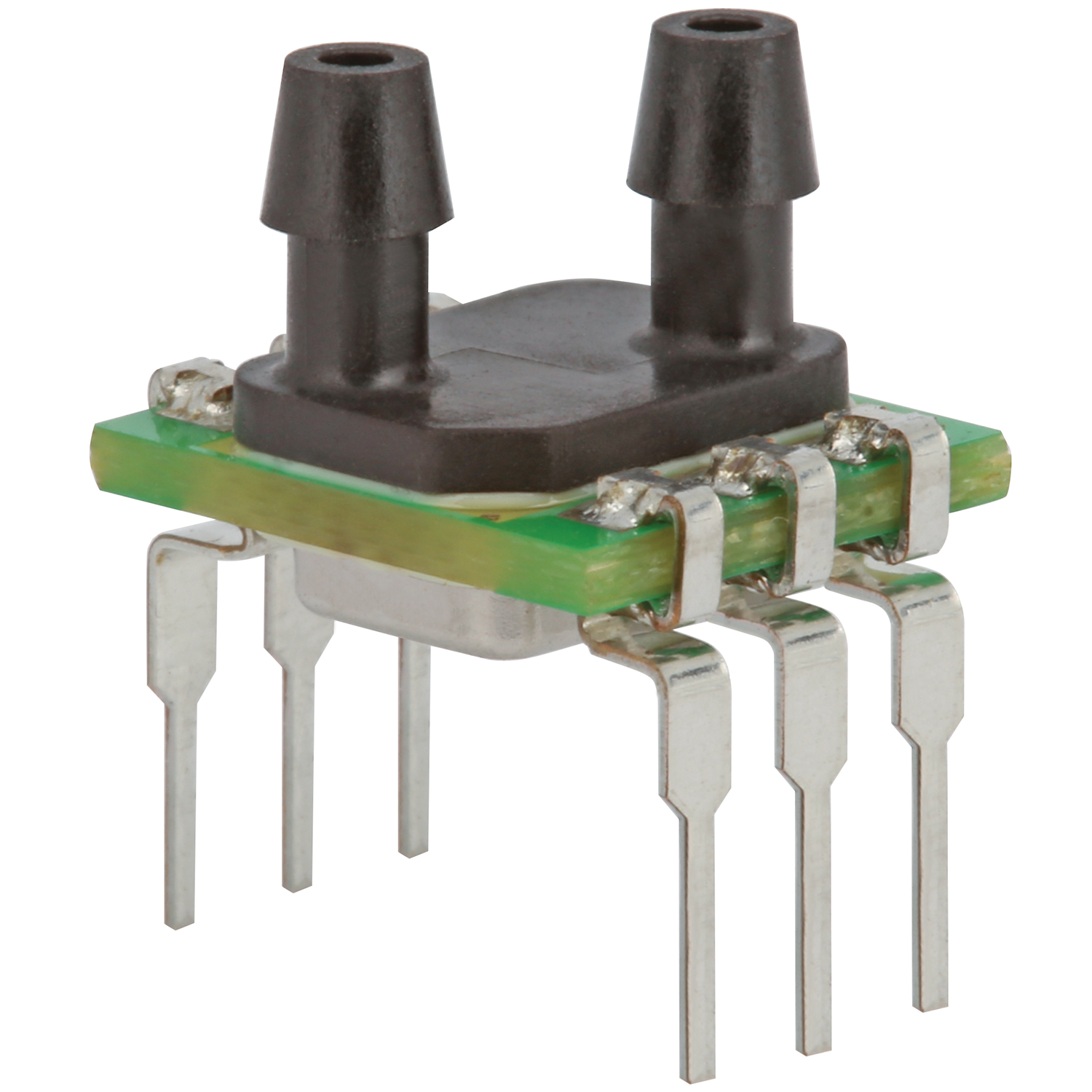
The ABP2 differential pressure sensor features two pressure ports: the ABP2 P1 port is connected to the filter inlet, while the ABP2 P2 port is connected to the outlet. This configuration enables precise adjustment and monitoring of air filtration and purification systems in accordance with defined alarm thresholds.

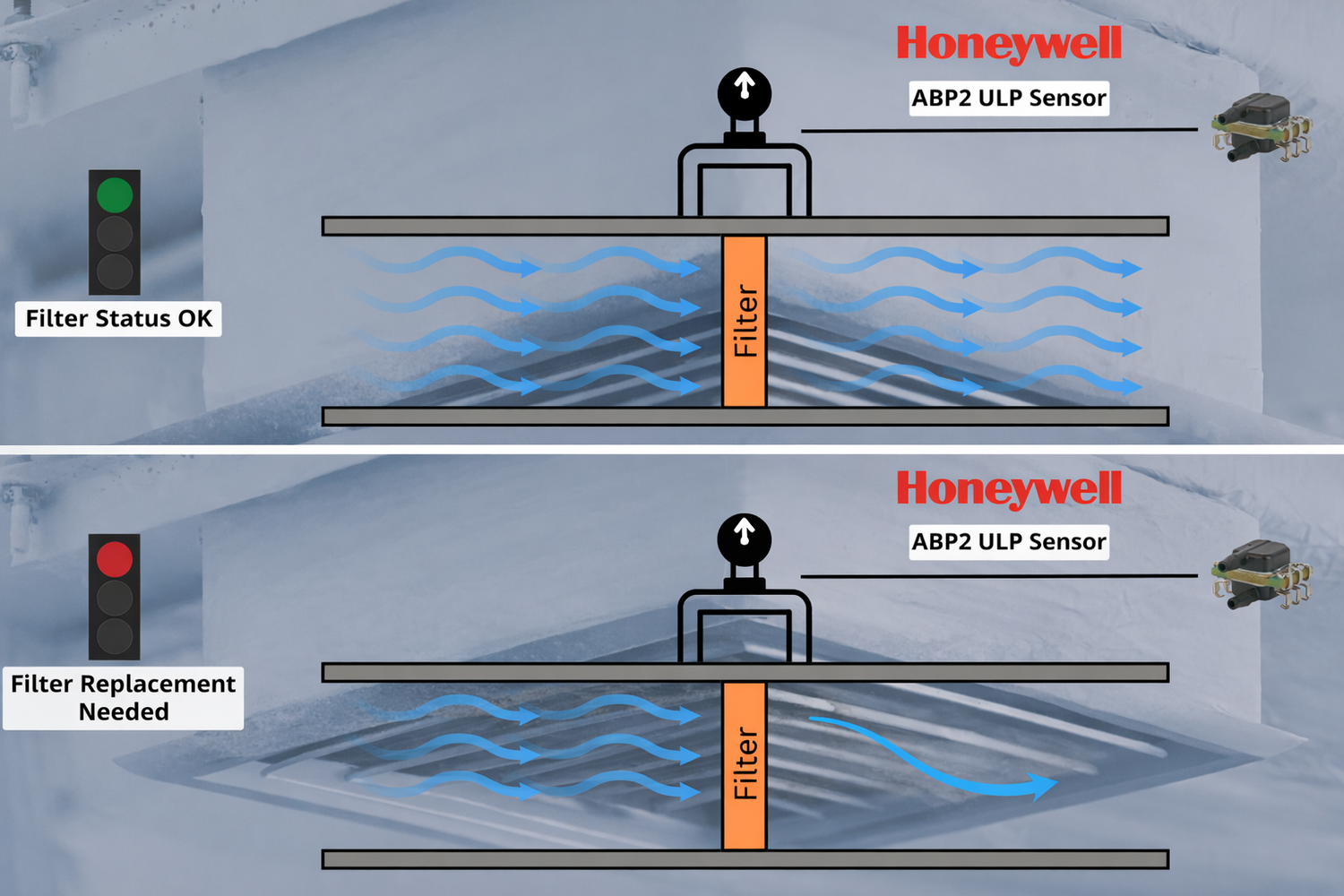
As filters become increasingly contaminated, their performance declines, requiring the fan to work harder to maintain system operation and resulting in higher energy consumption. Thanks to the high accuracy and reliability of ABP2 sensors, early warnings of dust and dirt accumulation on filters can be provided, helping maintenance teams plan preventive measures such as filter cleaning or replacement.
When monitoring clogged filters or measuring airflow using a restriction, very small pressure differences are detected. These typically range from 2.5 mbar to 25 mbar (2 inH₂O to 10 inH₂O) and fall within the lower end of the ultra-low pressure measurement range.